












“I am nearly 96 years old, and for the last 60 years have kept a secret because I believed that exposing the truth would hurt the farmworker movement I have spent my entire life fighting for.”
–Dolores Huerta
At the Center for Survivor Agency and Justice (CSAJ), we believe that “there is no safety without economic security.” Our National Policy Platform for Survivor Economic Equity affirms that workplaces must be free from domestic and sexual violence, coercion, and abuse. Survivors deserve to be supported and believed, and survivors must have access to economic resources, opportunity, and thriving wage jobs so they can define their own paths to safety and stability.
Last month, Dolores Huerta made a significant decision to share her experience, including the history of abuse and violence she faced in her work with Cesar Chavez. We’ve sat with this deeply troubling reality, reflecting on the powerful voices of survivors who come forward, at great personal cost, to speak the truth about abuse. Systems often prevent survivors from coming forward. We cannot understand Huerta’s lived experience without acknowledging the existing power structures and systems that limit survivors’ options for safety. It requires immense courage for immigrant survivors to speak out about harm in the workplace. Gender-based violence within movements has been minimized or intentionally sidelined, creating a culture in which survivors feel pressured to conceal their experiences. This silencing reflects the very systems of oppression our movements seek to change.
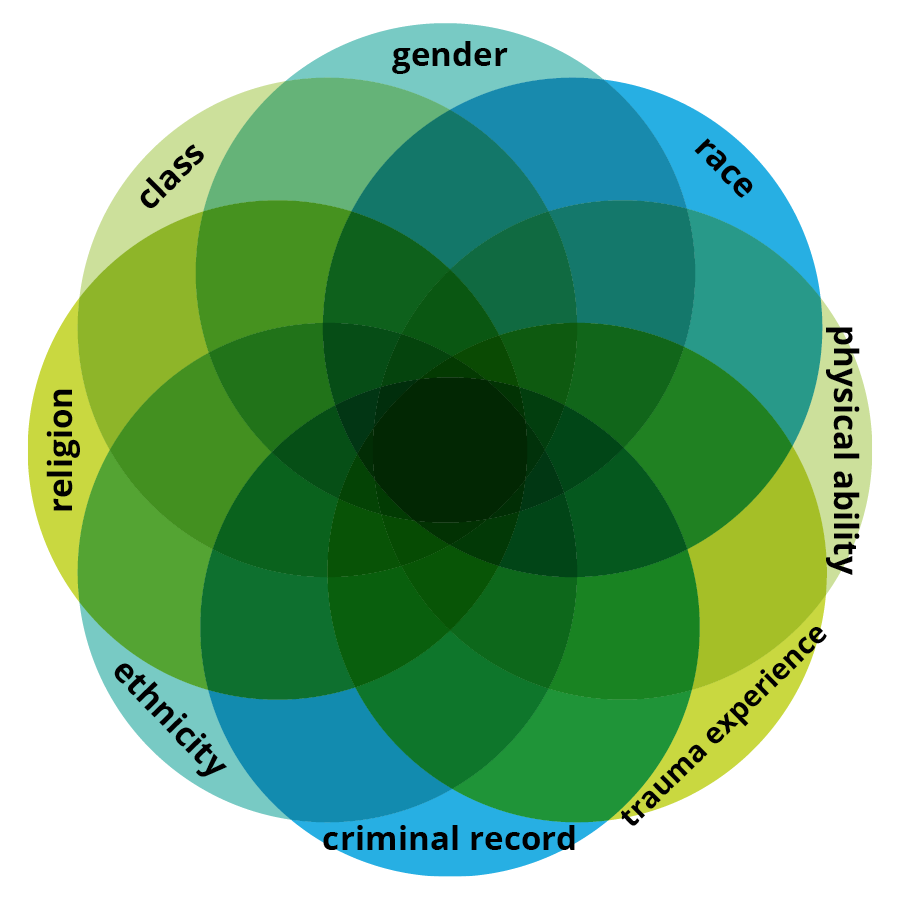
CSAJ’s work is grounded in the understanding that economic safety is not simply an individual concern, but shaped by institutional practices and systemic inequities that enable abuse and constrain survivors’ choices. Oftentimes, survivors face scrutiny, doubt, and harmful questions about timing or credibility, while those who cause harm are afforded nuance and complexity in how their stories are understood. This disparity reflects a bigger problem in our understanding of how coercive control operates in workplaces and harms survivors. Survivors navigate complex realities, exercising agency under oppressive conditions that limit their options for safety. There is no single narrative of survivorship, and no “perfect survivor.” Therefore, our response must reflect the nuance and complexity of survivors’ decision making and hold each survivor’s full humanity.
Here are best practices that CSAJ recommends when approaching storytelling:
- Treat Survivor Stories with Care: Ensure you are using a trauma-informed storytelling approach, honoring survivors experience and privacy
- Name the Harm Clearly: Name power dynamics and coercive control (micro, meso, macro) iteratively; language shapes policy, funding, and public understanding
- Understand that the narrative doesn’t have to be ‘complete’: Avoid the basic Problem → Solution logic, instead honor any gaps and nuance that tell the story more completely.
Additional resources on Workplace Safety for Survivors:
- Workplace Discrimination & Termination: Employment Rights and Protections for Survivors, in CSAJ’s Guidebook on Consumer and Economic Civil Legal Advocacy for Survivors
- CSAJ’s National Policy Platform for Survivor Economic Equity
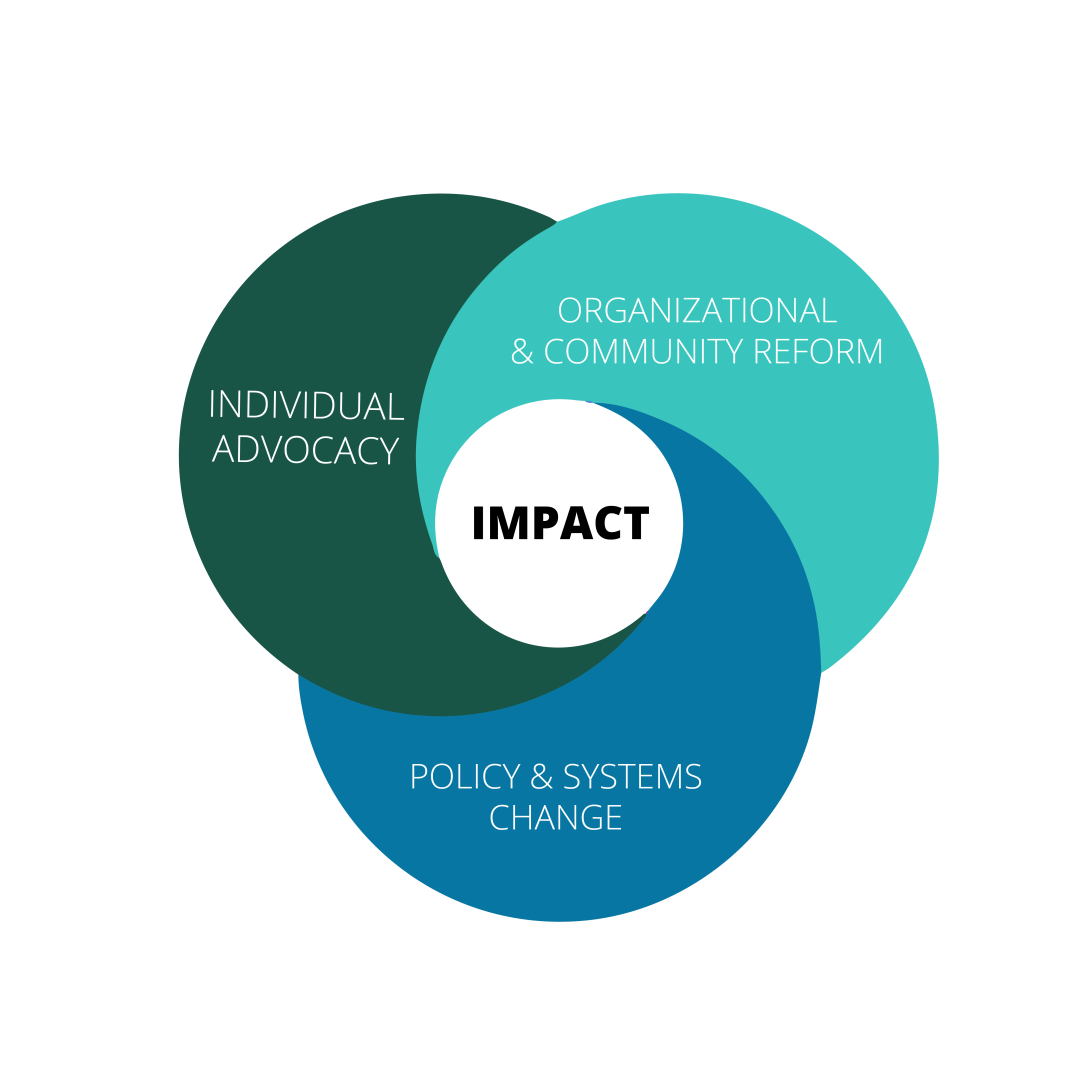
CSAJ approaches these issues through a systemic lens. We are committed to advancing solutions that address not only individual harm, but also the institutional and structural forces that impact survivor wellbeing. This includes confronting abuses of power in workplaces and building systems that prioritize survivor-defined advocacy, safety, and long-term economic security.
This moment calls for reflection, accountability, and action. We stand with Dolores Huerta. We remain committed to shifting narratives, challenging institutional harms, and advancing systemic change so that all survivors can access the resources they need to be safe and live free.
In Solidarity,
The CSAJ Team